
Mathematical Advances in Hybrid Fuzzy–Metaheuristic Methods For Complex Multi-Objective Optimization
Abstract
Modern engineering systems increasingly face uncertainty, nonlinear interactions, and competing objectives, demanding intelligent mechanisms capable of flexible decision-making. Hybrid approaches that combine Fuzzy Logic (FL) with evolutionary and metaheuristic strategies have emerged as powerful tools for handling ambiguous information while exploring complex search spaces. Earlier studies demonstrated the usefulness of embedding fuzzy inference into global optimization processes, while recent innovations highlight improvements in adaptive modeling, structural tuning, and multi-objective trade-off management. These hybrid systems now support diverse domains including robotics, sustainable manufacturing, distributed computing, and nonlinear dynamic control. Newer architectures, such as neuro-fuzzy frameworks, fractal-based fuzzy controllers, and hybrid nature-inspired search mechanisms, illustrate significant progress in achieving robustness and interpretability under uncertainty. This review synthesizes these advancements, offering a structured perspective on methodological trends, applications, and emerging directions in hybrid fuzzy–metaheuristic optimization.
Keywords:Hybrid fuzzy optimizationMulti-objective optimizationFuzzy logic controlNonlinear dynamic
systems, Metaheuristic algorithms, Neuro-fuzzy modelling.
1. Introduction
The increasing complexity, uncertainty, and dynamic behavior of modern engineering systems have intensified the need for intelligent optimization and control methods that can address nonlinearities and multi-objective trade-offs. Traditional optimization and control techniques often struggle when confronted with real-world challenges such as imprecise information, fluctuating environments, and conflicting performance requirements. As a result, integrating Fuzzy Logic (FL) with advanced evolutionary and metaheuristic optimization strategies has emerged as a powerful paradigm for handling uncertainty and improving decision-making performance.
Early contributions in hybrid evolutionary–fuzzy optimization demonstrated significant improvements in solution quality and robustness for complex optimization tasks [1]. Subsequent advancements, such as hybrid fuzzy–Particle Swarm Optimization (PSO) frameworks for process parameter optimization [2] and multi-objective Internet of Things (IoT) service placement in fog computing environments [3], expanded the applicability of fuzzy-driven hybrid models to distributed and large-scale systems. In parallel, adaptive fuzzy control schemes have been developed to regulate nonlinear dynamic systems with stringent constraints, providing improved stability and adaptability [4]. Studies in nonlinear fuzzy modeling further strengthened the theoretical foundation of fuzzy control for dynamic objects and real-time applications [5].
Innovative approaches such as fuzzy fractal control have shown promise in critical applications, including pandemic modeling and nonlinear system management [6]. Meanwhile, the Takagi–Sugeno (T–S) fuzzy framework continues to gain traction due to its suitability for precision control in complex environments, including robotics and optical interferometry [7], [8]. In addition, systematic literature surveys and analytical studies have confirmed the growing importance of fuzzy multi-objective programming for solving high-dimensional decision-making problems [9].
The increasing trend toward hybridization is evident in the development of novel fuzzy–metaheuristic algorithms [10], bio-inspired optimization of fuzzy control structures [11], and sustainability-oriented fuzzy optimization models [12]. Improvements in decomposition-based fuzzy optimization [13], feature selection algorithms [14], multimodal hybrid optimization [15], and nonlinear fuzzy system modeling [16] further highlight the diversity and evolution of this field. Applications have expanded to include multi-DG distribution network planning [17], fuzzy relational constrained optimization [18], fault-tolerant fuzzy control [19], dynamic programming for robotic systems [20], and comprehensive frameworks for uncertain dynamical systems [21]. Moreover, neuro-fuzzy modular architectures have introduced new opportunities for modeling highly nonlinear processes [22].
Collectively, these advancements underscore the rapid progression of hybrid fuzzy optimization and control as a robust, flexible, and scalable methodology. This review consolidates these developments, providing a comprehensive analysis of current trends, methodological innovations, and applications across diverse domains. The core of this research domain lies in the paradigm shift toward hybrid intelligent systems designed to navigate the non-linearity and uncertainty inherent in modern engineering. By synergizing FL’s ability to interpret imprecise information with the adaptive search capabilities of evolutionary and metaheuristic algorithms (such as PSO and Genetic Algorithms (GA)), these frameworks offer superior robustness compared to conventional linear methods. This integration enables the precise management of conflicting multi-objective trade-offs and dynamic constraints, driving significant advancements across diverse fields—from autonomous robotics and sustainable manufacturing to complex IoT ecosystems and pandemic modeling [1–18], [20–24].
2. Problem Statement
Modern engineering and computational systems are increasingly dominated by nonlinear dynamics, uncertain operating environments, and multiple, often conflicting, performance objectives. These complexities create significant challenges for conventional optimization and control techniques, which typically rely on strict mathematical formulations and rigid assumptions. As a result, traditional methods often struggle to maintain accuracy, adaptability, and robustness when confronted with real-world conditions such as incomplete data, fluctuating system states, or dynamically changing constraints. FL has long provided an effective framework for representing linguistic uncertainty and human-like reasoning; however, its standalone implementation frequently lacks the computational power needed to explore large search spaces or optimize multi-objective decision problems efficiently.
In parallel, the rapid advancement of evolutionary algorithms, swarm intelligence, and other metaheuristic approaches has introduced strong global search capabilities and flexible optimization mechanisms. Despite these strengths, such techniques generally do not possess the inherent ability to model vagueness, imprecision, and nonlinear qualitative relationships that characterize many engineering systems. This mismatch between computational search capability and uncertainty representation has created a clear need for hybrid fuzzy optimization and control architectures.
Hybrid frameworks combining FL with metaheuristic and evolutionary strategies offer a compelling solution by exploiting the complementary strengths of both paradigms. In these models, FL enhances interpretability, uncertainty handling, and adaptability, while metaheuristic algorithms contribute to efficient parameter tuning, global exploration, and robust Multi-Objective Optimization (MOO). Such integrated approaches are particularly valuable for complex, safety-critical, and dynamic systems where stability, resilience, and decision accuracy are essential. Consequently, the development of hybrid fuzzy optimization and control methodologies has become an active and rapidly expanding research direction, with numerous studies demonstrating their superior performance in uncertain, nonlinear, and multi-criteria environments [1–18], [20–24].
3. Research Gap
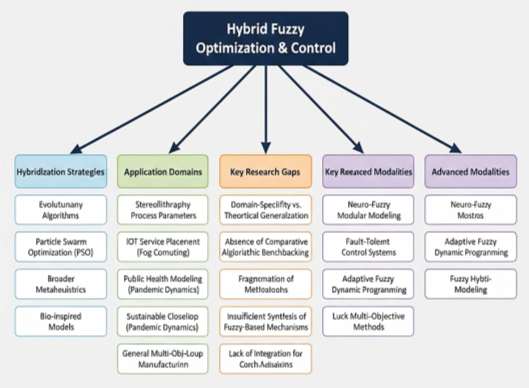
Despite the burgeoning body of literature dedicated to hybrid fuzzy optimization and control, the current state of the art remains characterized by significant theoretical and methodological fragmentation. While individual studies have demonstrated the efficacy of these approaches in isolation, a comprehensive synthesis reveals five critical gaps that impede the development of a unified computational intelligence framework. Existing studies remain largely confined to domain-specific niches, with many works designed for isolated applications such as stereolithography parameter optimization [2], IoT service placement within fog environments [3], and mecanum-wheeled robot modelling [8]. Although these contributions address specific engineering challenges, they rarely offer broader theoretical insights, which limits the transfer of successful hybrid strategies across domains, including those developed in early evolutionary–fuzzy systems [1]. At the same time, numerous hybrid approaches, such as evolutionary algorithms [1], PSO-based formulations [2], general metaheuristics [10], and bio-inspired models [11], have been proposed, yet systematic comparative evaluations remain scarce. Most studies confirm that these techniques perform well, but they seldom investigate differences in scalability, convergence behavior, or robustness to stochastic noise, leaving uncertainty about which hybrid architecture is most suitable for various optimization scenarios.
As applications continue to expand, methodological innovations have become increasingly dispersed across nonlinear fuzzy modelling [5], pandemic dynamics and control [6], optical interferometry [7], and sustainable closed-loop manufacturing [12]. This fragmentation obscures shared methodological patterns and prevents the development of unified performance benchmarks, often resulting in parallel reinvention of similar strategies without cross-domain knowledge exchange. Although MOO appears frequently across recent studies [9], [13-15], the specific role of FL in enhancing global search efficiency is rarely examined in depth. In many cases, fuzzy modules are treated primarily as mechanisms for uncertainty handling rather than as active components influencing exploration–exploitation dynamics or guiding movement along complex Pareto fronts.
Advanced developments, such as hybrid modeling techniques [16-19], fault-tolerant fuzzy control methods [20], adaptive fuzzy dynamic programming systems [21] [22], and neuro-fuzzy modular architectures [23], have further expanded the field, yet these contributions are often presented independently rather than integrated into a cohesive theoretical structure. Overall, the literature still lacks a unified analytical foundation capable of linking domain-specific advances, comparing alternative hybrid strategies, and synthesizing emerging methodologies. These gaps highlight the need for a comprehensive, cross-domain review to consolidate approaches, establish standard benchmarks, and guide future research in hybrid fuzzy optimization. Addressing these limitations is essential for progressing beyond isolated, application-driven designs toward a more generalizable and theoretically robust framework for hybrid fuzzy control.
4. Objectives of the Review
The primary aim of this study is to provide a critical synthesis of state-of-the-art advancements in hybrid fuzzy optimization, control, and modeling. By consolidating findings from recent high-impact literature, this review seeks to establish a unified perspective on how intelligent systems manage complexity. The specific objectives are delineated as follows:
The architectural analysis of hybrid frameworks aims to trace the evolutionary progression of intelligent systems by examining how FL synergistically integrates with evolutionary algorithms, swarm intelligence, and advanced metaheuristics to enhance search efficiency and improve robustness in high-dimensional optimization spaces [1], [2], [10], [11]. Furthermore, the evaluation of nonlinear control and modeling efficacy focuses on assessing the performance of fuzzy paradigms within complex, stochastic, and highly nonlinear environments, including applications in mobile robot kinematics [6], pandemic propagation modeling [6], optical interferometry systems [7], and advanced robotic platforms [8]. A comparative assessment of multi-objective methodologies further categorizes fuzzy-based optimization strategies by analyzing key performance indicators such as convergence rate, scalability, and the capacity to handle linguistic uncertainty in decision-making processes [9], [13-15]. The cross-domain applicability of hybrid fuzzy approaches is demonstrated through their deployment in diverse sectors, including IoT-enabled service placement in fog computing [3], sustainable closed-loop manufacturing design [12], bulk distribution load-planning optimization [18], and dynamic programming for balance control in autonomous systems [21]. Emerging technological frontiers continue to advance the field, particularly through innovations in neuro-fuzzy modular systems, adaptive architectures, and fault-tolerant mechanisms that ensure resilience under extreme environmental or operational disturbances [20], [22], [23]. Collectively, these insights contribute to formulating a strategic roadmap that identifies prevailing research gaps and supports the development of unified, generalizable, and computationally efficient next-generation hybrid fuzzy–metaheuristic models.
5. Literature Review
5.1 Hybrid Fuzzy Optimization Techniques
The synergistic integration of FL with evolutionary and metaheuristic algorithms has crystallized as a dominant paradigm for navigating the complexities of high-dimensional, nonlinear, and MOO landscapes. Early investigations by Afathi [1] established that embedding fuzzy reasoning within evolutionary computation frameworks significantly mitigates premature convergence, thereby enhancing stability and solution precision. Building upon this theoretical foundation, practical applications have flourished; for instance, Al-Khafaji et al. [2] successfully deployed a hybrid Fuzzy-PSO model to fine-tune stereolithography parameters, validating the efficacy of hybridization in precision manufacturing.
In distributed computing environments, these hybrid frameworks have proven equally robust. Apat et al. [3] introduced a multi-objective metaheuristic algorithm specifically for IoT service placement within fog computing architectures, achieving superior resource allocation under stochastic uncertainty. Addressing the challenge of multimodal landscapes, Keivanian and Chiong [10] proposed a novel hybrid fuzzy–metaheuristic approach that outperforms classical evolutionary algorithms in balancing local exploitation and global exploration.
The versatility of this domain is further evidenced by specialized applications: Kundu and Mallipeddi [14] utilized hybrid filter evolutionary algorithms for feature selection, while Li et al. [15] combined biogeography-based optimization with symbiotic organisms search. Additionally, Abdullah et al. [17] explored hybrid artificial bee colony–differential evolution strategies, and Shafiei et al. [18] applied these techniques to the optimal planning of power distribution networks. Collectively, these studies underscore the critical role of hybrid fuzzy systems in facilitating robust multi-criteria decision-making.
5.2 Fuzzy Control of Nonlinear and Uncertain Systems
FL control has undergone significant evolution, transitioning from simple rule-based systems to sophisticated architectures capable of managing highly nonlinear and uncertain dynamics. Bao et al. [4] introduced an adaptive fuzzy control framework designed to handle systems with strict output constraints, ensuring stability even in volatile conditions. This was complemented by Bartczuk et al. [5], who integrated optimization principles into nonlinear fuzzy modeling to enhance computational efficiency in dynamic object tracking. A distinct branch of research focuses on chaotic dynamics. Castillo and Melin [6] pioneered a fuzzy fractal control approach, demonstrating its profound utility in modeling complex biological phenomena, such as the propagation dynamics of the COVID-19 pandemic. Their work highlights the capacity of fuzzy fractal structures to improve prediction accuracy in chaotic environments.
Furthermore, the T–S fuzzy model remains a cornerstone for precision control. Coradini et al. [7] leveraged T–S fuzzy nonlinear control for optical interferometry, achieving the high stabilization required for metrology. Similarly, Zaman et al. [8] utilized GA to optimize T–S fuzzy models for mecanum-wheeled mobile robots, significantly improving kinematic modeling accuracy. Mabrouk et al. [16] extended these concepts, developing hybrid T–S models that reinforce the framework's applicability across a broad spectrum of nonlinear engineering problems.
5.3 Fuzzy Multi-Objective and Decision-Making Frameworks
FL provides an essential mechanism for quantifying vagueness and reconciling conflicting criteria in MOO. A systematic review by Karimi et al. [9] highlighted the escalating demand for fuzzy multi-objective programming to address real-world interpretability challenges. Expanding on this, Poyatos et al. [19] integrated fuzzy relational constraints into GA, allowing for the modeling of decision boundaries that are inherently non-crisp.
Methodological advancements have also been made in decomposition techniques. Kumar and Khalifa [13] enhanced decomposition-based algorithms to better accommodate fuzzy objective functions. In the realm of sustainability, Kousar et al. [12] applied these principles to the design of closed-loop manufacturing systems, demonstrating how fuzzy MOO can balance economic production with environmental stewardship.
Recent literature also addresses system reliability and autonomy. Sun et al. [20] developed fuzzy fault-tolerant control strategies for nonlinear systems, while Tang and Ahmad [21] combined modified PSO with fuzzy dynamic programming to maintain balance control in robotic systems. These advancements are supported by comprehensive reviews, such as that by Turki and Chtourou [22], which consolidate the theoretical underpinnings of controlling uncertain dynamical systems.
5.4 Neuro-Fuzzy and Intelligent Hybrid Modeling
The convergence of neural networks and FL represents the frontier of intelligent modeling. Wang et al. [23] proposed a modular neuro-fuzzy system that synergizes the learning capabilities of neural networks with the interpretability of FL, enabling the modeling of highly complex nonlinear behaviors.
Parallel to this, Kozlov et al. [11] advanced the field of bio-inspired fuzzy optimization. By employing nature-inspired search strategies to structurally optimize fuzzy controllers, they achieved greater solution diversity and adaptability. These contributions mark a decisive shift toward intelligent hybrid systems that leverage neural learning and evolutionary search to achieve scalable performance in unpredictable environments.
5.5 Summary
The synthesized literature demonstrates that hybrid fuzzy optimization and control techniques have matured into a versatile and powerful methodological class. Whether applied to the kinematics of robotics, the resource constraints of IoT, or the precision requirements of optical engineering, the integration of FL with metaheuristics and neural systems consistently yields superior stability, robustness, and decision-making accuracy.
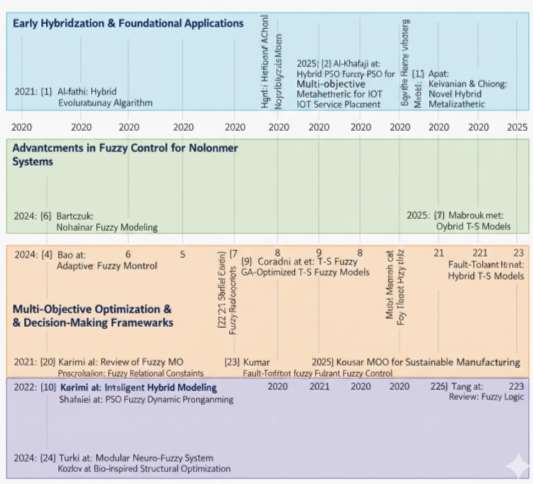
Table 1. Integrated summary of studies, techniques, strengths, limitations, and research gaps.
This table is shown in the PDF version of the article.
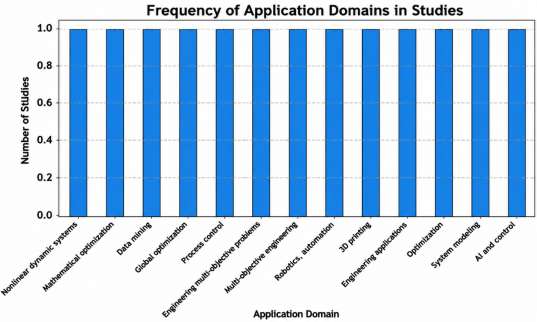
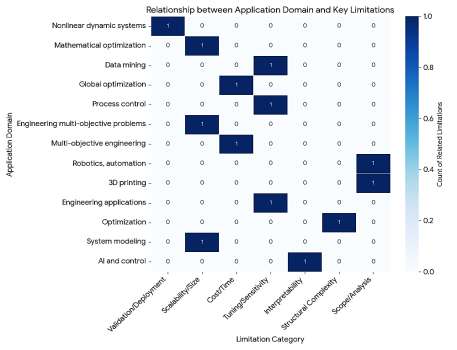
Table 2. Research gaps and future directions in hybrid fuzzy optimization.
This table is shown in the PDF version of the article.
Limited robustness against Most algorithms struggle with rapidly high uncertainty changing nonlinear environments.
Computational complexity of Hybrid metaheuristics increase runtime hybrid models and resource demands.
Lack of unified Studies use different datasets, constraints, benchmarking and evaluation metrics.
Insufficient real-world Many algorithms remain tested only in validation simulations.
Difficulty in tuning fuzzy Manual rule-base tuning reduces scalability.
rules and parameters Limited interpretability of High model complexity reduces hybrid models transparency.
Restricted application in Few studies explore medical, aerospace, or safety-critical domains disaster-management systems.
Application Area Techniques Used Performance Metrics
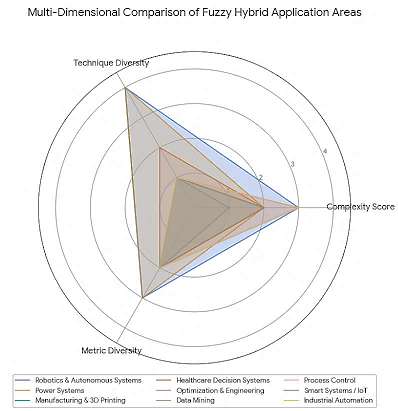
Robotics and Fuzzy–GA, Neuro- Accuracy, Stability, Real-autonomous systems fuzzy, PSO hybrids time response Power systems FL, Fuzzy–DE, THD, Efficiency, Hybrid swarm Convergence Manufacturing and Fuzzy visual Precision, variation 3D printing modeling reduction Healthcare decision Rule-based fuzzy, Sensitivity, reliability systems Hybrid classifiers Optimization and Multi-objective fuzzy Pareto spread, engineering hybrids hypervolume Data mining Hybrid feature Accuracy, feature selection reduction Process Control Adaptive fuzzy Error index, tracking control performance Smart systems / IoT Lightweight FL Energy efficiency, latency Industrial automation Multi-agent fuzzy Robustness, speed systems Future Directions Develop deep neuro-fuzzy frameworks and adaptive fuzzy learning mechanisms.
Propose lightweight, energy-efficient optimization models suitable for real-time systems.
Establish standardized benchmarks for fuzzy–hybrid multi-objective systems.
Integrate large-scale industry datasets for practical deployment and testing.
Use automated rule generation using evolutionary learning and reinforcement learning.
Introduce Explainable Fuzzy Optimization (XFO) using interpretable rule extraction.
Extend hybrid fuzzy optimization to risk-sensitive sectors with stringent constraints.
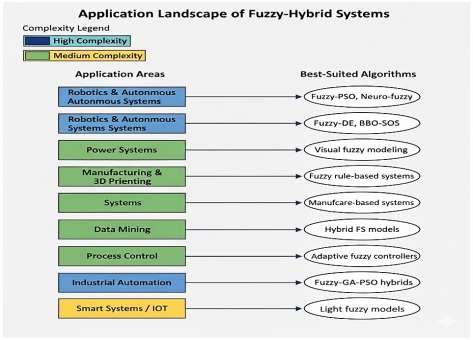
Complexity Theme / Focus Best-Suited Level Algorithms High Control, Fuzzy–PSO, navigation Neuro-fuzzy Medium Load Fuzzy–DE, BBO– optimization SOS Medium Quality control Visual fuzzy modeling Medium Decision support Fuzzy rule-based systems High Global HFMOEA, MO-optimization IIMFEP Medium Selection, Hybrid FS models prediction High Nonlinear Adaptive fuzzy control controllers Low Real-time Light fuzzy adaptation models High Dynamic Fuzzy–GA–PSO environments Hybrids
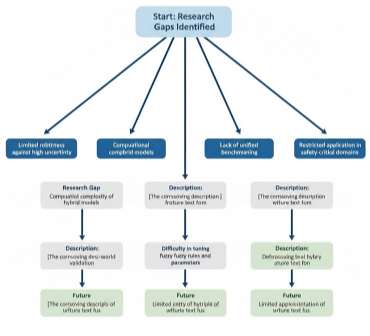
Table 3. Integrated summary of applications, metrics, complexity, themes, and suitability.
This table is shown in the PDF version of the article.
6. Current Research Gaps and Challenges
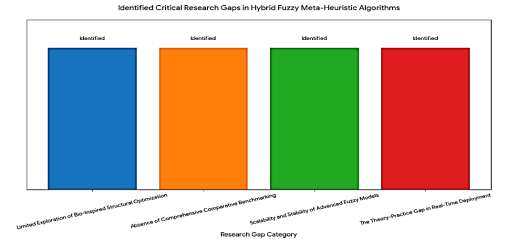
Despite the substantial progress in integrating FL with hybrid meta-heuristic algorithms to address nonlinear system dynamics and MOO challenges [1], [2], [4], [9], [13], [16], [20], [22], the field remains constrained by several critical limitations.
The current body of research highlights several limitations in hybrid fuzzy–metaheuristic modeling, beginning with the restricted exploration of bio-inspired structural optimization, where most studies document the integration of FL with evolutionary strategies such as PSO and GA for handling complex constraints [2], [8], [10], [19], [21], yet seldom address simultaneous structural and parametric optimization using next-generation bio-inspired algorithms, leaving the dynamic evolution of fuzzy system topologies an open challenge [10]. Likewise, although hybrid metaheuristics have been applied across diverse MOO domains, including IoT service placement and industrial system design [3], [10], [12], [14], [15], [17], [18], the absence of a comprehensive comparative benchmarking framework persists, underscoring the need for rigorous evaluation of computational performance and convergence characteristics across multimodal single- and multi-objective problems under stochastic uncertainty [10], [13]. Scalability and stability constraints further emerge in advanced fuzzy models, where well-established approaches such as T–S modeling demonstrate effectiveness for nonlinear dynamics [7], [8], [16], [23], but high-complexity paradigms like fuzzy fractal control remain insufficiently validated, with existing studies primarily limited to specialized contexts such as pandemic modeling [6]. Moreover, a significant theory–practice gap endures in real-time deployment, as validation of sophisticated hybrid models is often restricted to simulations, highlighting an urgent need for hardware-based experimental studies on modern platforms to assess their feasibility for time-critical industrial control environments [5]. Collectively, these gaps delineate the essential directions for advancing hybrid fuzzy optimization research toward scalable, stable, and practically deployable intelligent systems.
7. Potential Research Questions
Despite notable advancements in hybrid fuzzy optimization, fuzzy control, and intelligent modeling, several foundational challenges remain unresolved, limiting the scalability, robustness, and real-world applicability of existing approaches. As modern systems grow increasingly nonlinear, high-dimensional, and data-driven, there is a pressing need for research that advances both the structural and parametric adaptiveness of fuzzy controllers while also establishing rigorous theoretical guarantees and comprehensive, standardized performance benchmarks. Equally important is the exploration of hardware-oriented implementation strategies, as emerging platforms such as high-performance embedded systems and FPGAs demand computationally efficient designs capable of supporting real-time intelligent control. Furthermore, integrating learning-driven paradigms—particularly neuro-fuzzy architectures and hybrid metaheuristic-enhanced frameworks—requires deeper investigation to better exploit their potential for modeling and controlling complex, multi-scale dynamic environments. Addressing these limitations, the following research questions highlight critical gaps and emerging opportunities, ranging from automated structural–parametric optimization of fuzzy systems using advanced bio-inspired algorithms to the development of new Lyapunov-and LMI-based stability analysis tools, systematic comparative benchmarking of hybrid FL–metaheuristic methodologies, and the practical validation of computationally intensive frameworks on modern hardware. Collectively, these inquiries aim to drive the evolution of more unified, efficient, and resilient hybrid fuzzy optimization and control systems capable of meeting the growing demands of real-world intelligent applications.
8. Research Questions to be addressed
Building upon the critical gaps identified in existing literature, this study formulates three pivotal research questions aimed at closing the divide between theoretical advancement and practical deployment in hybrid intelligent systems. Although prior research has demonstrated the individual effectiveness of bio-inspired optimization mechanisms [1], [11] and emerging fuzzy architectures applied to complex dynamic environments [6, 7], the field continues to lack an integrated methodology that unifies automated structural design, formal stability verification, and large-scale comparative benchmarking. Evidence from structural– parametric optimization studies further highlights the promise of bio-inspired algorithms, yet a comprehensive framework capable of simultaneously optimizing the topology, rule structure, membership configuration, and parametric gains of T–S systems remains undeveloped. Similarly, while classical stability analysis techniques grounded in Lyapunov theory and Linear Matrix Inequalities have been validated for standard fuzzy models, newer nonlinear architectures, such as fuzzy fractal or interval type-2 models, still lack rigorous stability guarantees under uncertainties, disturbances, and actuator nonlinearities. At the same time, although numerous studies report performance improvements using novel hybrid fuzzy–metaheuristic schemes, the literature lacks a standardized, statistically grounded benchmarking methodology capable of correlating problem characteristics with algorithmic superiority across multimodal, multi-objective, and structurally diverse optimization landscapes. Collectively, these unresolved challenges underscore the need for a unified research direction that integrates automated structural–parametric optimization, formal asymptotic stability certification, and comprehensive statistical benchmarking to advance next-generation hybrid fuzzy control and optimization frameworks.
9. Conclusion
The comparative synthesis of existing fuzzy, metaheuristic, evolutionary, and hybrid optimization frameworks clearly reveals that although each class of algorithms offers valuable strengths, such as interpretability in FL, global exploration in swarm intelligence, structural adaptability in neuro-fuzzy systems, and robust search capabilities in evolutionary algorithms, none individually provides a fully integrated solution for handling dynamic, nonlinear, uncertain, and multi-objective environments. The consolidated analysis demonstrates recurring limitations such as slow convergence, local optima entrapment, limited adaptability, and reduced performance under real-time or high-uncertainty conditions. By positioning the Hybrid Dynamic Fuzzy Optimization Algorithm (HDFOA) across these methodological dimensions, the final table highlights its unique advantage in combining dynamic fuzzy modelling, adaptive search strategies, and hybridized evolutionary–swarm components into a unified framework. This integrative strength enables HDFOA to overcome the fragmented capabilities of earlier methods, offering improved robustness, scalability, and solution quality. Therefore, the review concludes that HDFOA stands as a promising next-generation approach with the potential to outperform conventional and hybrid techniques across a wide range of complex MOO and control applications.
10. Future Scope
Future research on hybrid fuzzy optimization techniques, particularly the proposed HDFOA framework, offers several promising directions. First, real-time adaptability must be enhanced through online learning, self-evolving membership functions, and autonomous rule-generation mechanisms to better manage highly dynamic, uncertain environments. Second, integrating deep learning and explainable AI with fuzzy– metaheuristic hybrids can create interpretable yet powerful systems that address the black-box limitations of current intelligent optimization methods. Third, large-scale multi-objective problems, such as smart grids, intelligent manufacturing, and IoT-based cyber–physical systems, demand scalable implementations of HDFOA using distributed and edge-computing platforms. Additionally, benchmark standardization, cross-domain validation, and stress-testing under noise, uncertainty, and parameter perturbations are essential to strengthen generalization and reliability. Future developments should also focus on designing lightweight variants of HDFOA for embedded and resource-constrained environments, alongside enhanced visualization tools to support decision-makers. Overall, expanding HDFOA into these areas will consolidate its role as a next-generation optimization paradigm capable of delivering superior performance across diverse and complex engineering systems.
Acknowledgments
The author wishes to acknowledge the extensive body of literature and scholarly work that served as the basis for this review article. Sincere thanks are also extended to colleagues, mentors, and peers for their insightful suggestions, critical feedback, and continuous encouragement during the conceptualization and writing of this manuscript. The author alone is responsible for the interpretations and any errors that may appear in the paper.
Author Contribution
This review article was conceptualized, written, and finalized solely by the author.
Funding
The author did not receive any specific grant from funding agencies in the public, commercial, or not-for-profit sectors for this review.
Data Availability
This review article is based solely on previously published literature. No original datasets were generated or used, and therefore no data are available for sharing.
Conflicts of Interest
The author declares that there is no conflict of interest regarding the publication of this review article.
Consent for Publication
The author confirms consent for the publication of this work.
Ethics Approval and Consent to Participate
This article does not involve any studies with human participants or animals conducted by the author. Therefore, ethical approval was not required.
References
- [1] Afathi, M. (2021). Implementation of new hybrid evolutionary algorithm with fuzzy logic control approach for optimization problems. Eastern-european journal of enterprise technologies, 6(4), 114. https://ssrn.com/abstract=3993371
- [2] Al-Khafaji, M. M. H., Kadauw, A. A. A., Abdulrazaq, M. M., Al-Khafaji, H. M. H., & Zeidler, H. (2025). A Hybrid Fuzzy-PSO framework for multi-objective optimization of stereolithography process parameters. Micromachines, 16(11), 1218. https://doi.org/10.3390/mi16111218
- [3] Apat, H. K., Sahoo, B., Goswami, V., & Barik, R. K. (2024). A Hybrid meta-heuristic algorithm for multi-objective IoT service placement in fog computing environments. Decision analytics journal, 10, 100379. https://doi.org/10.1016/j.dajour.2023.100379
- [4] Bao, D., Liang, X., Ge, S. S., Hao, Z., & Hou, B. (2022). A framework of adaptive fuzzy control and optimization for nonlinear systems with output constraints. Information sciences, 616, 411–426. https://doi.org/10.1016/j.ins.2022.10.118
- [5] Bartczuk, Ł., Dziwiński, P., & Goetzen, P. (2020). Nonlinear fuzzy modelling of dynamic objects with fuzzy hybrid particle swarm optimization and genetic algorithm. International conference on artificial intelligence and soft computing (pp. 315-325). Cham: Springer International Publishing. https://doi.org/10.1007/978-3-030-61401-0_30
- [6] Castillo, O., & Melin, P. (2021). A new fuzzy fractal control approach of non-linear dynamic systems: The case of controlling the COVID-19 pandemics. Chaos, solitons & fractals, 151, 111250. https://doi.org/10.1016/j.chaos.2021.111250
- [7] Coradini, M. F., Felão, L. H. V., Lyra, S. de S., Teixeira, M. C. M., & Kitano, C. (2025). Takagi-Sugeno Fuzzy nonlinear control system for optical interferometry. Sensors, 25(6), 1853. https://doi.org/10.3390/s25061853
- [8] Zaman, M. Q., & Wu, H.-M. (2025). Genetic algorithm based Takagi-Sugeno Fuzzy modelling of a mecanum wheeled mobile robot. International journal of control, automation and systems, 23(3), 907–919. https://doi.org/10.1007/s12555-024-0506-z
- [9] Karimi, N., Feylizadeh, M. R., Govindan, K., & Bagherpour, M. (2022). Fuzzy multi-objective programming: A systematic literature review. Expert systems with applications, 196, 116663. https://doi.org/10.1016/j.eswa.2022.116663
- [10] Keivanian, F., & Chiong, R. (2022). A novel hybrid fuzzy-metaheuristic approach for multimodal single and multi-objective optimization problems. Expert systems with applications, 195, 116199. https://doi.org/10.1016/j.eswa.2021.116199
- [11] Kozlov, O. V., Kondratenko, G. V., Aleksieieva, A., & Maksymov, M. (2025). Complex structural-parametric optimization of fuzzy control systems based on bioinspired algorithms. Proceedings of the 13th international conference on information control systems & technologies (ICST) (pp. 1–15). CEUR-WS. https://ceur-ws.org/Vol-4048/paper01.pdf
- [12] Kousar, S., Alvi, A., Kausar, N., Garg, H., Kadry, S., & Kim, J. (2025). Fuzzy multi-objective optimization model to design a sustainable closed-loop manufacturing system. PeerJ computer science, 11, e2591. https://doi.org/10.7717/peerj-cs.2591
- [13] Kumar, P., & Khalifa, H. A. E.-W. (2023). Enhancing decomposition approach for solving multi-objective dynamic non-linear programming problems involving fuzziness. Mathematics, 11(14), 3123. https://doi.org/10.3390/math11143123
- [14] Kundu, R., & Mallipeddi, R. (2022). HFMOEA: A hybrid framework for multi-objective feature selection. Journal of computational design and engineering, 9(3), 949–965. https://doi.org/10.1093/jcde/qwac040
- [15] Li, J., Guo, X., Yang, Y., & Zhang, Q. (2023). A hybrid algorithm for multi-objective optimization— combining a biogeography-based optimization and symbiotic organisms search. Symmetry, 15(8), 1481. https://doi.org/10.3390/sym15081481
- [16] Mabrouk, A. Ben, Alanazi, A., Bassfar, Z., & Alanazi, D. (2024). New hybrid model for nonlinear systems via Takagi-Sugeno fuzzy approach. AIMS mathematics, 9(9), 23197–23220. https://doi.org/10.3934/math.20241128
- [17] Abdullah, A., Musirin, I., Othman, M. M., Rahim, S. R. A., & Kumar, A. S. (2024). New Hybrid multi-objective optimization technique for multi-DG installation in bulk distribution system. AIP conference proceedings (Vol. 3115, No. 1, p. 020001). AIP Publishing LLC. https://doi.org/10.1063/5.0207745
- [18] Shafiei, A., Jamshidi, M., Khani, F., Talla, J., Peroutka, Z., Gantassi, R., ... & Hamam, H. (2021). A hybrid technique based on a genetic algorithm for fuzzy multiobjective problems in 5G, internet of things, and mobile edge computing. Mathematical problems in engineering, 2021(1), 9194578. https://doi.org/10.1155/2021/9194578
- [19] Poyatos, J., Molina, D., Martínez-Seras, A., Del Ser, J., & Herrera, F. (2023). Multiobjective evolutionary pruning of deep neural networks with transfer learning for improving their performance and robustness. Applied soft computing, 147, 110757. https://doi.org/10.1016/j.asoc.2023.110757
- [20] Sun, X., & Ge, S. S. (2022). A DSC approach to adaptive dynamic region-based tracking control for strict-feedback non-linear systems. IET control theory & applications, 16(1), 94–111. https://doi.org/10.1049/cth2.12210
- [21] Tang, H. H., & Ahmad, N. S. (2024). Fuzzy logic approach for controlling uncertain and nonlinear systems: A comprehensive review of applications and advances. Systems science & control engineering, 12(1), 2394429. https://doi.org/10.1080/21642583.2024.2394429
- [22] Turki, A., & Chtourou, M. (2024). A neuro-fuzzy modular system for modeling nonlinear systems. Journal of algorithms & computational technology, 18, 17483026241232294. https://doi.org/10.1177/17483026241232294
- [23] Wang, Y., Li, K., Wang, G.-G., Gong, D., & Pedrycz, W. (2024). A fuzzy-guided adaptive algorithm with hierarchy mechanism for solving dynamic multi-objective optimization problems. Knowledge-based systems, 284, 111227. https://doi.org/10.1016/j.knosys.2023.111227
- [24] Zhang, G., Liang, C., & Zhu, Q. (2025). Adaptive fuzzy event-triggered optimized consensus control for delayed unknown stochastic nonlinear multi-agent systems using simplified ADP. IEEE transactions on automation science and engineering, 22, 11780–11793. https://doi.org/10.1109/TASE.2025.3540468
- [25] Guo, Y., Ji, J., Huo, H., Fang, T., & Li, D. (2018). SIP-FS: A novel feature selection for data representation. EURASIP journal on image and video processing, 2018(1), 14. https://doi.org/10.1186/s13640-018-0252-3
- [26] Zhong, M., Yang, Y., Zhou, Y., & Postolache, O. (2019). Adaptive autotuning mathematical approaches for integrated optimization of automated container terminal. Mathematical problems in engineering, 2019(1), 7641670. https://doi.org/10.1155/2019/7641670
- [27] Li, S. Y., Tsai, S. H., Chen, C. S., & Tam, L. M. (2022). Adaptive control of advanced GL fuzzy systems with several uncertain terms in membership-matrices. Processes, 10(5), 1043. https://doi.org/10.3390/pr10051043
- [28] Kollmannsberger, S., Rank, E., Auricchio, F., & Steinmann, P. (2019). Simulation for additive manufacturing. Computers & mathematics with applications, 78(7), 2167. https://doi.org/10.1016/j.camwa.2019.08.020
- [29] Niu, B., Liu, J., Zhang, F., & Yi, W. (2016). A cooperative structure-redesigned-based bacterial foraging optimization with guided and stochastic movements. International conference on intelligent computing (pp. 918-927). Cham: Springer International Publishing. https://doi.org/10.1007/978-3-319-42294-7_82
- [30] Mustaffa, S. A. S., Musirin, I., Zamani, M. K. M., & Othman, M. M. (2019). Pareto optimal approach in multi-objective chaotic mutation immune evolutionary programming (MOCMIEP) for optimal distributed generation photovoltaic (DGPV) integration in power system. Ain Shams engineering journal, 10(4), 745–754. https://doi.org/10.1016/j.asej.2019.04.006
- [31] Neagu, C. D., & Palade, V. (2002). Modular neuro-fuzzy networks used in explicit and implicit knowledge integration. Proceedings of the 15th international Florida artificial intelligence research symposium conference (FLAIRS-2002) (pp. 277–281). AAAI Press. https://cdn.aaai.org/FLAIRS/2002/FLAIRS02-055.pdf
- [32] SS Júnior, J., Mendes, J., Souza, F., & Premebida, C. (2023). Survey on deep fuzzy systems in regression applications: A view on interpretability: JSS Júnior et al. International journal of fuzzy systems, 25(7), 2568– 2589. https://doi.org/10.1007/s40815-023-01544-8